65% of Small Woodworking Shops Now Use 数控雕刻机: The Massive Beginner Opportunity

最后更新日期: 2026-02-09 通过 7分钟阅读

65% 的小商店使用数控雕刻机:这就是初学者赢大钱的原因

65% of small woodworking shops now profit from 数控雕刻机. Discover the $3.5B beginner opportunity with machines starting at $2,000. ROI in under 12 months. Start today.

Why are 65% of small woodworking shops using 数控雕刻机?

Small woodworking shops have rapidly adopted 数控雕刻机 because these machines reduce production time dramatically, eliminate manual errors, and enable complex designs that were previously impossible with traditional tools.数控technology has transformed from a luxury investment into an essential competitive advantage for modern shops.

65% 的小商店使用数控雕刻机:这就是初学者赢大钱的原因

The Automation Revolution in Small Woodworking

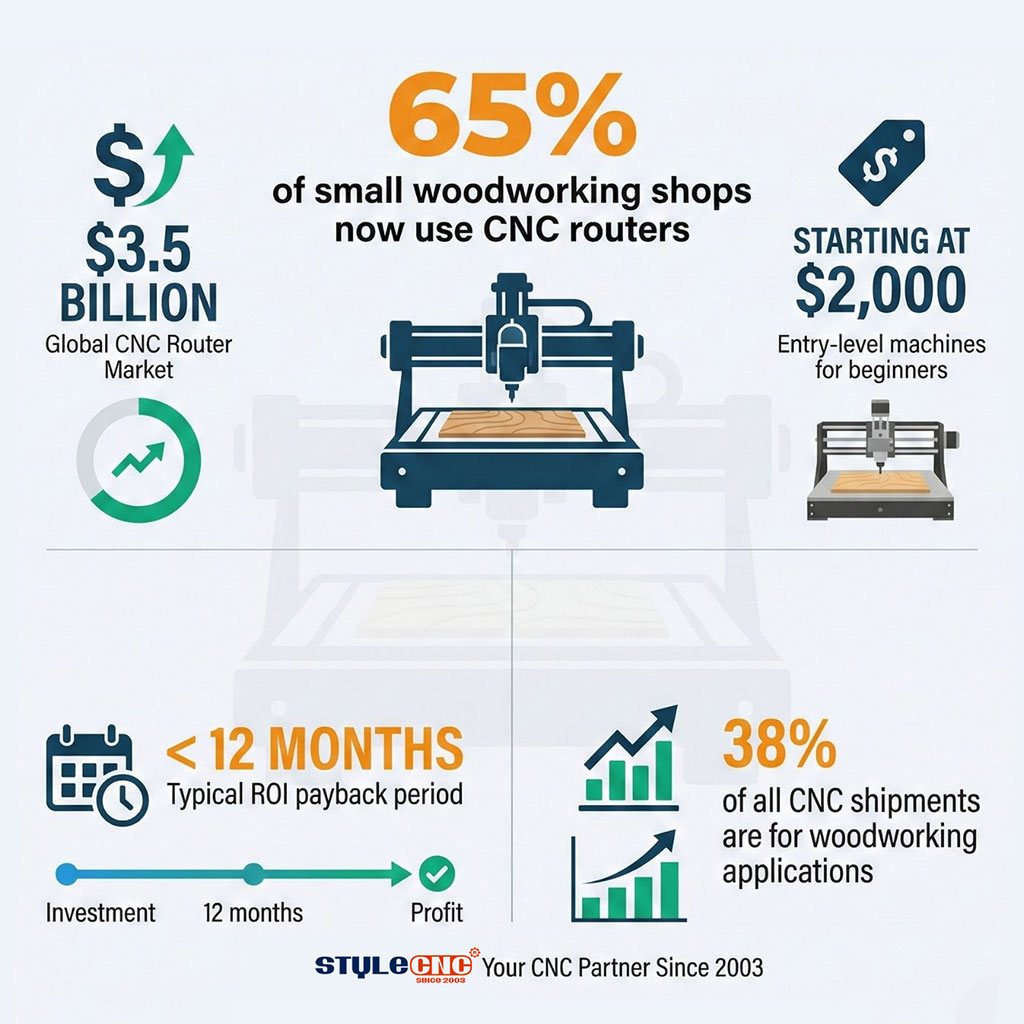
The woodworking industry is experiencing a fundamental transformation. Market analysis reveals that approximately 65% of small woodworking shops operate 数控雕刻机, marking a dramatic shift from manual processes to computer-controlled precision manufacturing.

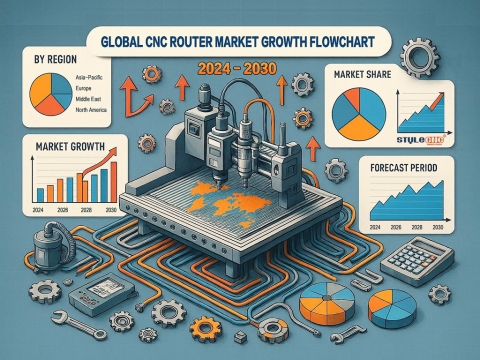
The global 数控雕刻机 market, valued at $3.5 billion, continues expanding steadily. Woodworking applications account for 38% of all 数控雕刻机 shipments globally, with over 2,500 routers deployed specifically for wood and signage applications in North America alone.

3 Forces Driving Adoption

Decreasing Equipment Costs: Entry-level machines now start at $2,000-$6,000

用户友好的软件: Modern CAD/CAM packages feature intuitive interfaces

Custom Product Demand: Consumers increasingly prefer personalized, precision-crafted items

65% of Small Woodworking Shops Now Use 数控雕刻机: The Massive Beginner Opportunity

Why Small Shops Are Investing in数控Technology

Precision That Manual Methods Can't Match

Modern consumers expect precision and personalization. Traditional hand carving cannot maintain the sub-0.1mm repeatability that数控machines deliver consistently across hundreds or thousands of identical pieces.

When customers order custom cabinetry with intricate joinery or furniture with complex geometric patterns, 数控木雕刻机 execute these designs with perfect accuracy every time.

经济优势

A mid-range 4×8 foot 数控雕刻机 costs between $45,000 and $80,000. However, shops consistently report that a single operator can complete work that would take 3 or 4 people working with traditional equipment.

For cabinet production shops, nested manufacturing reduces material costs significantly while cutting production time substantially. These combined savings create rapid return on investment.

The Untapped Beginner Market

While 65% of established small woodworking shops have adopted数控technology, the beginner and hobbyist markets remain dramatically underserved. This creates an enormous opportunity.

Entry Barriers Are Disappearing

价格范围机器的种类最适合工作区域
$ 2,000-$ 6,000Desktop/HobbyBeginners, small projects12"×12" to 24"×24"
$ 6,000-$ 15,000入门级专业人士Part-time business24"×48" to 48"×48"
$ 15,000-$ 35,000Mid-Range ProfessionalFull-time business48"×96" (4'×8')
$ 50,000 +工业级大批量生产60"×120" and larger

现代 业余小型数控雕刻机 can handle materials from soft woods and plastics to harder species and even light metals. They occupy minimal floor space, often fitting on a workbench, making them practical for home workshops.

The Learning Curve Is Manageable

Prospective users often overestimate the difficulty of数控operation. The process breaks down into 4 manageable stages:

1. 设计阶段: Create or import 2D/3Ddesigns using CAD software.

2. 刀具路径生成: CAM 软件将设计转换为机器指令。

3. 机器操作: Mount material, load programs, set zero points.

4. 整理: Sand, assemble, and coat (familiar woodworking steps).

Experienced users consistently report achieving basic competency with regular practice. Advanced techniques like 4-axis数控routing require more expertise, but beginners can produce profitable projects before mastering advanced capabilities.

High-Profit Applications for Beginners

Most Accessible Markets

定制标牌: Material costs remain low while markup potential stays high. Businesses, homes, and events continuously need personalized wooden signs.

家具部件: Small数控shops produce legs, panels, decorative elements, and joinery components for traditional woodworkers who lack数控equipment.

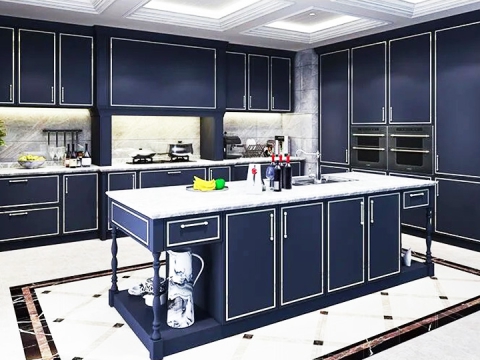
橱柜制作:Furniture production systems can complete entire cabinet orders with minimal manual intervention.

Profitable Niche Opportunities

Trophy and Award Manufacturing: Consistent revenue stream with minimal competition.

建筑木制品: Custom moldings and decorative panels command premium pricing.

Product Prototyping: Rapid turnaround for inventors and small manufacturers.

Technology Advances Benefiting Beginners

自动换刀装置 (ATC)

Manual tool changes consume significant production time and require constant operator monitoring. This limits machines to simpler projects using one or 2 tools.

自动换刀数控雕刻机 complete tool swaps instantly, enabling complex projects requiring 8-12 different tools to run continuously without supervision. Shops report substantial productivity increases after upgrading to自动换刀systems.

软件改进

Modern数控software features pre-configured toolpath libraries for common operations. Beginners can select from proven cutting strategies, leveraging expert knowledge built into the software.

Cloud-based design libraries provide thousands of ready-to-cut projects. New users can start producing saleable products immediately while gradually learning to create original designs.

Investment and ROI Breakdown

Total Startup Costs

投资类别费用范围笔记
数控雕刻机$ 2,000-$ 35,000Depends on size and capabilities
CAD / CAM软件$ 500-$ 3,000Perpetual licenses or subscriptions
Router Bits & Tooling$ 500-$ 1,500Initial collection
Dust Collection & Fixtures$ 1,000-$ 5,000Vacuum systems, work-holding
初始投资总额$ 4,000-$ 44,500Varies by business scale

收入潜力

Shops focusing on high-margin custom work often recover investments faster than those pursuing volume production. A single ornamental carving project might generate $500-$2,000 in profit.

Shops with diverse capabilities, combining CNC木工雕刻机 with traditional joinery and finishing, typically build more sustainable businesses. The machine becomes one tool in a comprehensive production system.

Expanding Beyond Wood

Many wood-optimized 数控雕刻机 successfully process plastics, composites, and foam materials with minimal adaptation. This versatility enables shops to serve multiple markets.

金属数控机床 represent a different category requiring more substantial investment. Some operators successfully expand into light metal work (aluminum, brass) as their skills develop.

Stone carving machines occupy another specialized niche. Some woodworking shops diversify into memorial plaques and architectural stone elements.

65% of Small Woodworking Shops Now Use 数控雕刻机

战略成功因素

市场调研第一

Before investing in equipment, thoroughly research local and online markets. Identify specific underserved niches rather than attempting to compete broadly.

A shop specializing exclusively in custom pet memorial products faces far less competition than one offering generic wooden signs.

Analyze your target market carefully. What price points work in your area? What types of custom work do local competitors avoid? Where do customers currently source custom woodwork?

Online marketplaces like Etsy provide valuable market intelligence. Search for products similar to what you plan to produce. Examine pricing, customer reviews, and seller success rates. This research reveals market demand before you invest capital.

教育投资

Online courses, community college programs, and manufacturer training sessions provide foundations that accelerate initial productivity and help avoid expensive early mistakes.

Many manufacturers offer comprehensive training with equipment purchase. Take advantage of these programs. The few days invested in proper training often prevent weeks of frustrating troubleshooting.

YouTube channels and online forums provide ongoing education. The数控community actively shares techniques, solutions, and project ideas. Engage with these resources consistently.

Consider starting with free CAD software to practice design skills before purchasing equipment. This approach clarifies whether you enjoy the design process and helps identify what machine capabilities you actually need.

Incremental Growth Approach

The most reliable path involves starting with modest equipment, developing skills and customer bases, then upgrading as revenue justifies investment. This approach minimizes financial risk.

Many successful operators began with desktop machines under $5,000, validated their business concepts, then upgraded to professional equipment once revenue streams proved sustainable.

Start part-time while maintaining other income. This removes pressure to generate immediate profits, allowing focus on skill development and quality work that builds reputation.

Document everything as you learn. Which projects proved most profitable? Which customers provided repeat business? What skills required the longest development? This data guides expansion decisions and equipment upgrades.

Market Forces Driving Growth

The Customization Economy

Consumer behavior has fundamentally changed. Today's buyers increasingly reject mass-produced, identical products in favor of personalized items that reflect individual style and preferences.

This trend creates perfect conditions for small数控operations. Large manufacturers excel at producing millions of identical units but struggle with economical custom production. Small shops with数控equipment fill this gap perfectly.

The custom furniture market exemplifies this shift. Buyers now expect options for dimensions, materials, finishes, and design details.数控technology makes such customization economically viable even for single-unit production.

Addressing Skilled Labor Shortages

The woodworking industry faces a critical challenge as experienced craftspeople retire. Traditional apprenticeship paths that created skilled woodworkers have largely disappeared.

CNC technology offers a solution. Complex joinery, precise dimensional work, and intricate carving no longer require decades of hand-tool mastery. Software encodes this expert knowledge, making it accessible to operators with technical skills rather than traditional woodworking backgrounds.

Community colleges and trade schools recognize this shift.数控programming increasingly appears in woodworking curricula, creating a new generation of operators comfortable with both digital design and material fabrication.

环境考虑因素

Sustainability drives purchasing decisions for many consumers and businesses.数控carving supports environmental goals through superior material efficiency.

Optimized nesting algorithms arrange parts on sheet materials with minimal waste. Some shops report waste reduction of 20-30% compared to traditional cutting methods. This efficiency translates directly to both environmental benefits and cost savings.

Forward-thinking shops market their数控capabilities as an environmental advantage, appealing to eco-conscious customers willing to pay premiums for sustainably produced products.

常见问题

Is a 数控雕刻机 worth it for a small woodworking shop?

Yes, for most small shops. 数控雕刻机 provide rapid ROI through increased productivity, reduced waste, and the ability to take on complex custom projects. Shops report that a single operator with a数控can complete work that would require 3 or 4 people using traditional methods. However, success depends on having consistent work that justifies the investment.

How much does a good beginner 数控雕刻机 cost?

Entry-level 数控雕刻机 cost $2,000-$6,000 for desktop models suitable for learning and small projects. For serious part-time business, budget $6,000-$15,000. Professional full-time operations typically require $15,000-$35,000 machines with 4'×8' work areas. Total startup costs including software, tooling, and accessories, range from $4,000-$45,000 depending on your business scale.

Should I build my own 数控雕刻机 or buy one?

Buy one for your 1st machine. Building a 数控雕刻机 requires mechanical skills, electronics knowledge, and significant time investment. Most beginners benefit more from purchasing a ready-to-run machine with manufacturer support and warranties. Consider building only if you have extensive experience and treat the build process as a learning goal itself, not just cost savings.

What software do I need for数控routing?

You need 2 types: CAD for design and CAM for toolpath generation. Popular beginner-friendly options include VCarve Pro, Easel Pro, and Fusion 360. Many entry-level machines include basic software packages. Budget $500-$3,000 for software, though some free options exist for hobbyists.

Can a 数控雕刻机 cut aluminum or only wood?

Many 数控雕刻机 can cut aluminum with proper setup. Look for machines with rigid frames, spindles rated for 18,000+ RPM, and adequate cooling systems. Wood-optimized routers can typically handle soft metals like aluminum, brass, and copper with slower feeds and lighter cuts. Dedicated metal machines are required for steel and harder materials.

How long does it take to learn 数控雕刻机 operation?

Basic competency typically requires consistent practice over several weeks. Most beginners can complete their 1st simple projects within days of setup. The learning curve has 4 stages: design basics, toolpath creation, machine operation, and optimization. Machine operation itself is straightforward; design and toolpath skills develop over time with practice.

What's the best size 数控雕刻机 for a small business?

A 4'×8' (48"×96") working area is the industry standard for small businesses. This size accommodates full plywood sheets and most cabinet components. However, space-constrained shops can be successful with 2'×4' or 3'×3' machines by focusing on smaller projects like signs, plaques, and component parts rather than full-sheet cabinetry.

How do I make money with a 数控雕刻机?

Focus on high-margin custom work and establish niche specializations. Profitable paths include custom signage ($50-$500 per project), furniture components for other woodworkers, architectural millwork, trophy manufacturing, and product prototyping. Combine数控capabilities with traditional woodworking services for more sustainable revenue. Many operators leverage online marketplaces like Etsy to reach customers beyond their local area.

The Beginner Opportunity

The convergence of accessible technology, growing market demand, and evolving consumer preferences creates a genuine opportunity for newcomers to establish profitable数控woodworking operations.

Beginners benefit from mature equipment markets offering diverse options at various price points, established supply chains for tooling and materials, abundant educational resources, and thriving online communities providing support.

At STYLECNC, we understand the challenges beginners face when entering the数控woodworking industry. With over 2 decades of manufacturing experience serving customers across 180+ countries, we provide comprehensive solutions tailored to every skill level. From entry-level 业余爱好machines perfect for learning the craft to professional industrial routers designed for high-volume production, our equipment lineup supports your growth journey from 1st project to thriving business.

数控机床维护检查清单:减少45%的停机时间

2026-02-05上一页

没有下一篇文章

延伸阅读

橱柜家具制作如何选择数控雕刻机?
2022-05-262 Min Read

橱柜家具制作如何选择数控雕刻机?

STYLECNC 我们将帮助您为您的定制板式家具生产业务选择专业的数控雕刻机,以实现智能橱柜制作。

什么是数控编程和加工中的G代码?
2024-01-173 Min Read

什么是数控编程和加工中的G代码?

G 代码是一种易于使用的预备计算机数控编程语言,用于 CAM 软件控制数控机床自动工作。

数控雕刻机的限位开关有什么用?
2019-08-102 Min Read

数控雕刻机的限位开关有什么用?

限位开关安装在数控雕刻机或移动物体上,当物体接近静止物体时,限位开关断开或分离。

如何从头开始构建数控机床? - DIY 指南
2025-02-1010 Min Read

如何从头开始构建数控机床? - DIY 指南

您是否正在学习和研究如何为初学者制作自己的CNC套件?请查看这篇DIY指南,了解如何从零开始一步一步地构建CNC机床。

数控雕刻机有什么用?
2025-02-273 Min Read

数控雕刻机有什么用?

数控雕刻机用于自动木工、石雕、金属铣削、塑料雕刻、泡沫切割和玻璃雕刻。

五轴数控机床的 OSAI 控制器
2020-05-155 Min Read

五轴数控机床的 OSAI 控制器

OSAI OPENMill 模块化控制系统适用于更复杂的五轴数控机床,因此您应该详细了解 OSAI 控制器。

发表您的评论

1 至 5 星评级

与他人分享你的想法和感受

点击更改验证码